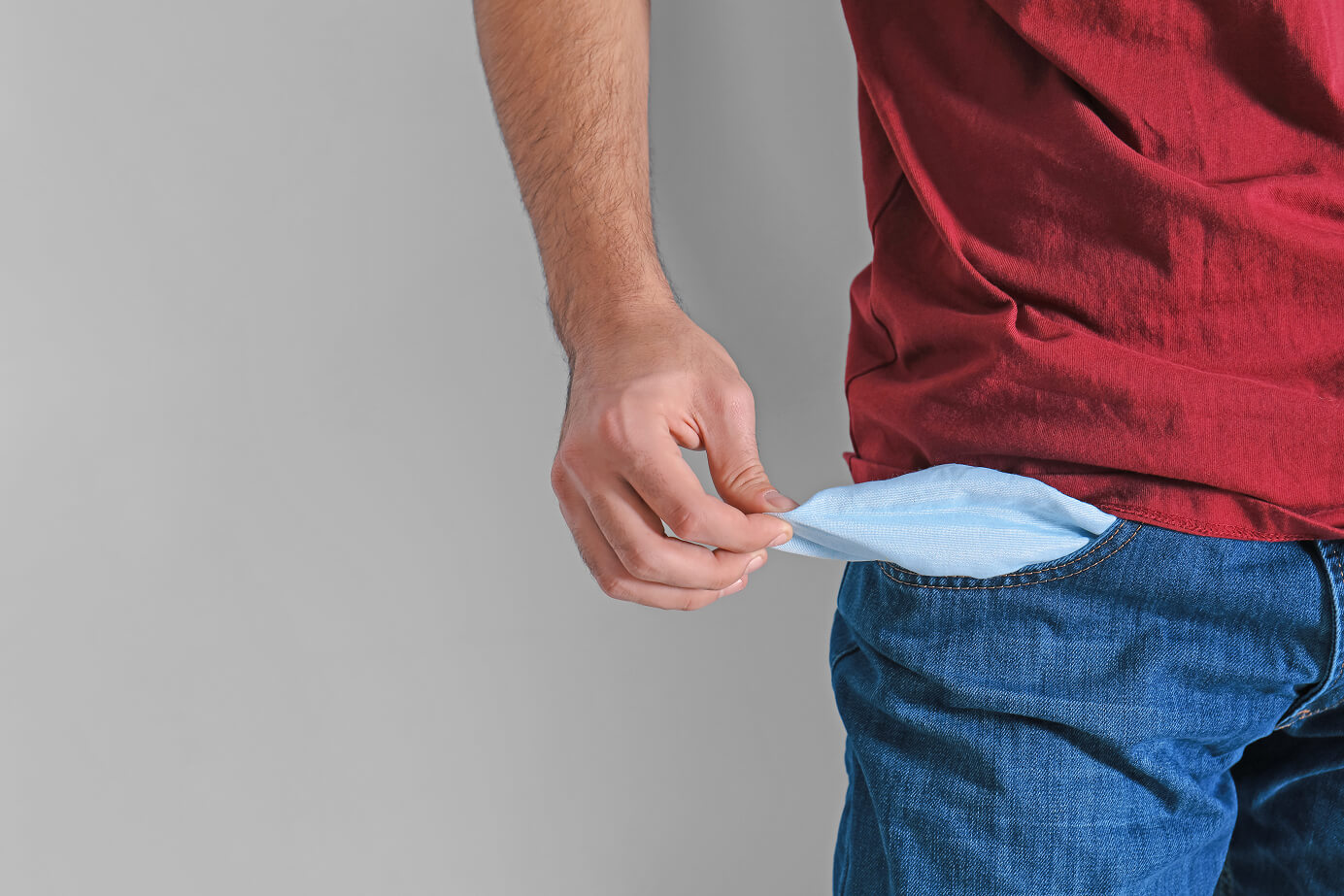
When bills are due, and your bank account is empty, it can feel overwhelming fast. You might be deciding which payment to skip, worrying about late fees, or wondering what actually happens if you just can’t pay. The good news is that you have options, even if it may not feel like it at first.
If you’re trying to figure out how to pay bills with no money, the first step is to act before things are overdue. From there, you’ll have to prioritize expenses and look for ways to close the gap.
How to pay bills when you have no money
If you’re in a tight spot, follow these steps.
Call your provider and ask for an extension or payment plan
Unfortunately, some people will panic and run from their debts. This approach never works, and it only adds to their stress. The best approach is honesty.
Before a bill is overdue, you should reach out to the provider and explain the situation. While you don’t have to share every detail, you should be honest that you are running behind financially and could use some flexibility.
Ask the provider if they can offer an extension or set up a payment plan. You may be surprised by how willing they are to work with you. That doesn’t mean you’ll avoid all fees. But if you’ve been a loyal customer and have a good payment history, some providers may even waive those fees.
Look into government and nonprofit assistance programs
If you truly have no money, there are some programs designed to help you cover the essentials. Here are some options that may be available in your area:
- Utility assistance programs
- Rental assistance
- Food assistance through SNAP
- Local churches and community nonprofits
You may be eligible for more than one source of assistance. These programs can reduce your financial burden and help you get caught up following financial hardship. The downside is that these programs aren’t available in all areas, and some have strict eligibility requirements.
Use a cash advance app to cover a short-term gap
Sometimes, you may be a few hundred dollars short until payday. In this scenario, a cash advance app can help close the gap until your next check hits your bank account.
For example, Grant Cash Advance allows eligible users to request $25 to $500 to help cover essentials like bills, groceries, or gas. There’s no credit check required to sign up. Your advance will automatically be repaid when your next paycheck arrives.
If eligible, you can choose standard delivery or expedited delivery. You’ll receive your advance quickly, which can be a huge relief when you need money right away.
Prioritize which bills to pay first
If there simply isn’t enough cash to go around and you are out of options, make a list of what bills are due and how much you have on hand. You should prioritize your bills based on necessity and on the consequences of non-payment. Here is a basic list by order of priority to help you get started:
- Rent or mortgage
- Utilities
- Food and transportation
Lower priority bills include credit cards, personal loans, and subscriptions. Protecting your housing, safety, and ability to work should always come first.
Look for ways to bring in money quickly
Sometimes, the fastest solution is increasing your income, even temporarily. Here are a few ways to bring in cash quickly:
- Sell or pawn items you don’t need
- Pick up gig work
- Offer cleaning or yardwork services
- Ask your employer about a paycheck advance
Getting even a little extra money in your pocket could help you make it through to the next month.
What happens if you miss a bill payment?
If you have to skip a bill, it’s important to consider the consequences. What you can expect could vary by bill type.
Utilities
If you miss a utility payment, such as electric, water, or gas, you will incur late fees. The provider will issue you a warning notice as well. If you miss consecutive payments, your service will be shut off.
Many utility companies offer grace periods. Some may even offer assistance programs to help you get caught up.
Credit cards and loans
Missing payments on your credit cards or personal loans can have longer-term financial consequences. While you aren’t in danger of having anything repossessed or having your service cut off, missing payments will lead to late fees and damage your credit. Over time, it can make it more difficult to obtain the best rates on future loans.
If you continue to miss payments, the lender can send your account to collections or seek a judgment against you. Either scenario does not bode well for your long-term financial health. Do your best to resume minimum payments as soon as possible.
Rent
Rent is a bill you should prioritize over just about anything else. If you miss your rent payments, you will encounter late fees. Your landlord will send you a notice to pay or issue an order to vacate for consecutive missed payments. Continued nonpayment could lead to eviction.
If you’re struggling, communicate with your landlord before you miss a payment. Look into rental assistance programs or set up a payment plan.
How to avoid falling behind on bills in the future
Learning how to pay bills with no money is a short-term solution. Once you get through your cash crunch, you should take steps to avoid falling behind again. Here are some tips to improve your financial health:
- Build an emergency fund
- Create a budget
- Eliminate unnecessary spending
- Review your budget monthly
- Increase your income, if possible
Unaccounted-for spending, such as having too many subscriptions or eating out too often, can quietly eat away at your budget. Be diligent to improve your financial situation so that you can avoid late payments in the future.
Conclusion
If you need to know how to pay bills with no money and only have a small gap to cover, a cash advance is a good option. Grant Cash Advance is a digital financial platform that offers eligible applicants $25 to $500 in cash quickly. If eligible, you can request standard or expedited delivery.
Grant Cash Advance Plus subscribers gain access to extra perks, such as the bills and spending tab. Use it to track where your money is going so that you can identify opportunities to reduce spending. Sign up for Grant Cash Advance to get the cash you need between paychecks.
Frequently Asked Questions
About the author
.jpg)
Sarah Edwards is passionate about financial literacy and helping readers navigate their money with confidence. She specializes in breaking down complex financial topics into clear, accessible language and regularly covers personal finance, credit, debt, insurance, crypto, and small business. Sarah has contributed to publications such as NerdWallet, MoneyLion, Benzinga, and others.